
วิธีทดสอบการเคลือบสถาปัตยกรรมด้วยน้ำ
การเคลือบสถาปัตยกรรมทางน้ำ, โดยเฉพาะสีน้ำยางสถาปัตยกรรมภายในและภายนอก, มีบทบาทสำคัญในการตกแต่งสถาปัตยกรรมสมัยใหม่. เพื่อให้มั่นใจว่าคุณภาพและประสิทธิภาพของการเคลือบเหล่านี้เป็นไปตามมาตรฐานที่คาดหวัง, ต้องใช้วิธีทดสอบทางวิทยาศาสตร์หลายชุด. บทความนี้จะเจาะลึกวิธีการทดสอบหลักของการเคลือบสถาปัตยกรรมด้วยน้ำ, รวมถึงสถานะของคอนเทนเนอร์, ความละเอียดของการกระจายตัว, ค่า pH, ความสม่ำเสมอ, ความมั่นคงในการแช่แข็งและละลาย, เวลาในการอบแห้ง, อัตราส่วน, ความต้านทานต่อการแขวนกระแส, สีสาดลูกกลิ้ง, การปรากฏตัวของภาพยนตร์, ความต้านทานด่าง, and wash and wash resistance.
State in the container: Ensure the initial state of the paint
The state in the container is an important index to evaluate the initial quality of coatings. การเคลือบผิว, หนาขึ้น, gelling, delamination, sinking, caking and other phenomena may affect the use and performance of coatings. By visual methods, such as the 3011 status in the container in the United States Federal Test Method Standard NO.141, you can quickly determine whether the paint is in good condition.
วิธีทดสอบการเคลือบสถาปัตยกรรมด้วยน้ำ
Dispersion fineness: Measure the degree of dispersion of paint pigments
Dispersion fineness is an important parameter for the dispersion degree of pigment and bulk pigment in coatings. The size of the fineness directly affects the hiding power and appearance finish of the coating. The scraper fineness meter method, such as the national standard GB/ T1724, GB/T6753.1 and the American standard ASTM D1210, adopts the scraper fineness meter method, which provides us with a reliable means to determine the dispersion fineness.
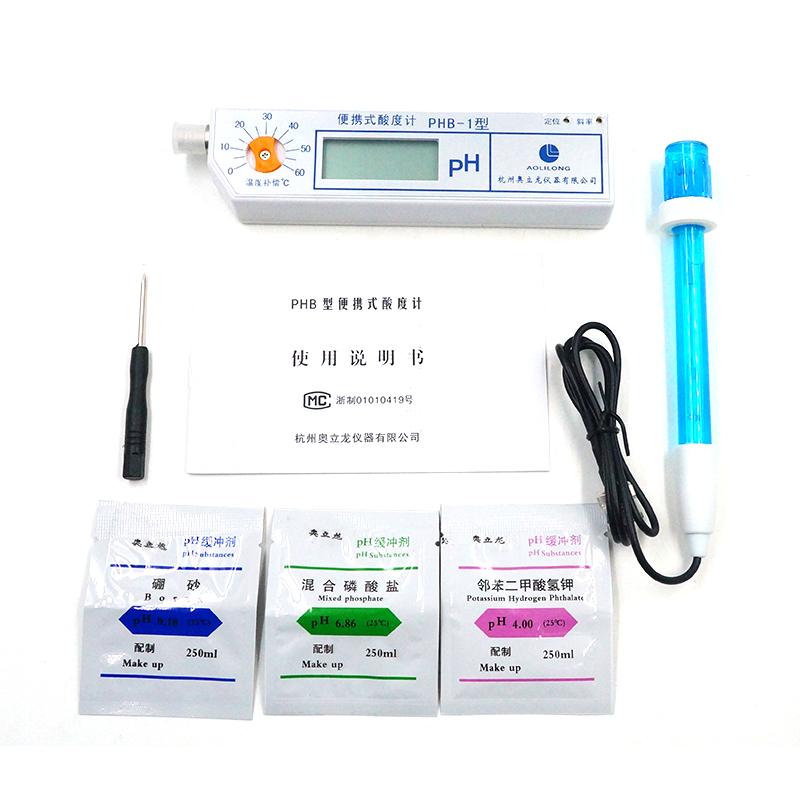
ค่า pH: An indicator of stability
pH is a measure of the concentration of hydrogen ions in a paint solution and is critical to the stability of the paint. The pH value of latex paint is generally between 5 และ 10, and its change can indicate acceptable changes in the stability and performance of the paint. GB /T 1717, ASTM E70 and other standards use PH meter method to ensure that the product remains stable during storage.
ความสม่ำเสมอ: The key to coating and fluidity
Consistency refers to the internal resistance of the coating when it flows, and is a key parameter to measure the coating property and fluidity. GB /T 9269 and ASTM D562 use the Stormer viscometer to determine the consistency of the coating, ensuring product uniformity and workability.
Freeze-thaw stability: resistance to cyclic testing
The ability of latex paint to maintain its original properties after undergoing freezing and melting cycles is called freeze-thaw stability. This performance index is assessed through a series of cyclic tests, such as GB /T 9268 and ASTM D2245, to ensure that the coating maintains its excellent performance under extreme conditions.
วิธีทดสอบการเคลือบสถาปัตยกรรมด้วยน้ำ
เวลาในการอบแห้ง: Mastering construction and maintenance time
Drying time refers to the time required for the coating to form a solid film under specified conditions. The index is affected by the composition of the paint and environmental conditions, and is directly related to the time arrangement of construction and the cycle of maintenance. Methods such as GB /T 1728, GB /T 6753.2, GB /T 9273, GB /T 9280, and ASTM D1640 provide us with a variety of ways to determine the drying time.
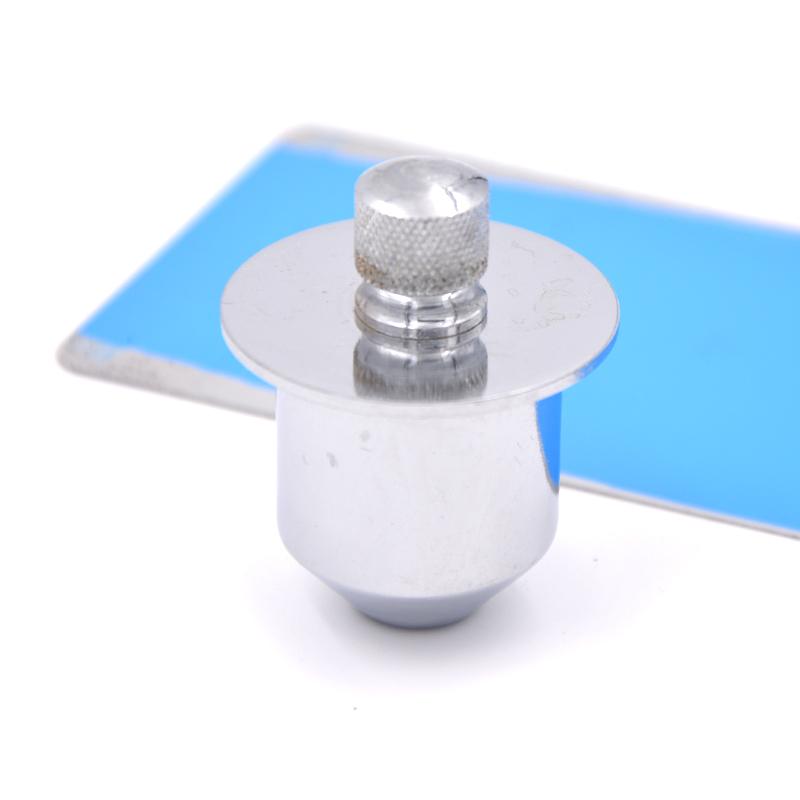
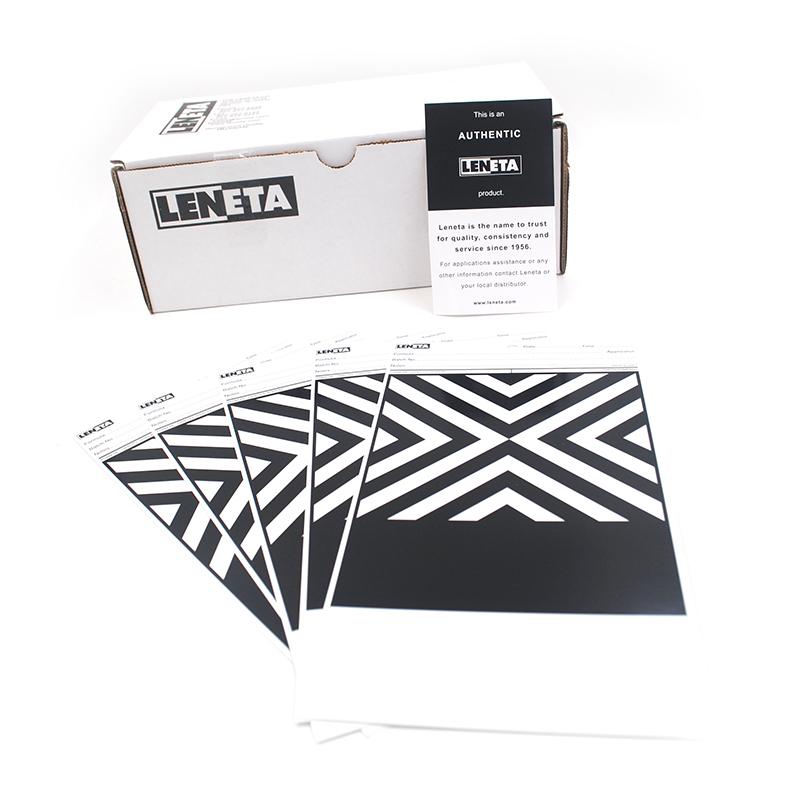
Ratio: Determine the covering power of the coating
The ratio is the ratio of the reflectance of the same paint film on a black and white substrate. This ratio is used to determine whether the coating completely covers the substrate, eliminating human error, and is suitable for white and light paints. Standards such as GB/T 9270, GB / T 5211.17 and ASTM D2805 use the reflectance method to determine the ratio.
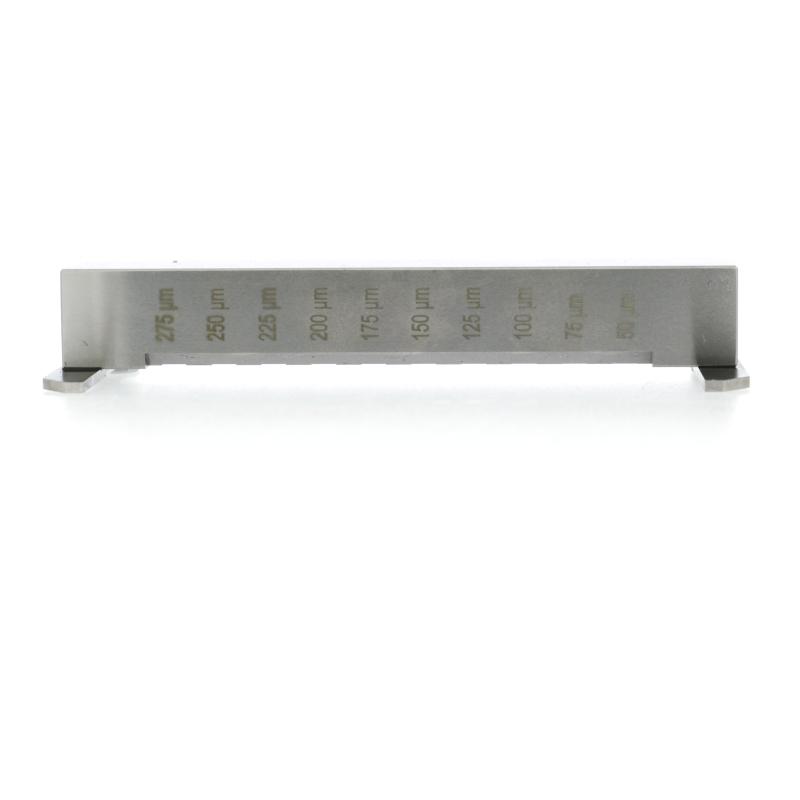
Anti-flow: prevent uneven flow of the film
During the construction of the paint in the vertical plane, due to poor flow resistance or improper application, the paint film may flow locally and form an uneven coating, which is called flow hanging. GB /T 9264 and ASTM D4400 evaluate coatings with multi-tooth scrapers of different specifications to ensure their resistance to current hanging.
Roller splash paint: Measure paint spatter during construction
Roller coating is a common construction method for architectural coatings, and roller splash coating is a method to evaluate the sputtering resistance of coatings. ASTM D 4707 uses drawings of certain specifications to collect the size and density of the paint spots splashed on it, and compares them with standard drawings to assess the sputtering resistance of the paint.
วิธีทดสอบการเคลือบสถาปัตยกรรมด้วยน้ำ
Paint film appearance: the key to decorative indicators
The appearance of paint film is the key index to measure the decorative performance of paint. After the paint film is dried, visual inspection is carried out, including the flatness, evenness, whether there are pinholes, shrinkage holes, flow hanging, brush marks, ฯลฯ. Methods such as GB /T 11186.1~3 and ASTM D 2244 provide standards for the measurement of gloss and color.
ความต้านทานต่อสารอัลคาไล: to prevent the substrate alkaline effect on the coating
Alkali resistance is the resistance of the paint film to alkali attack. The alkalinity of the substrate such as cement may have an adverse effect on the coating. Standards such as GB /T 9265 และไอเอสโอ 2812 use saturation and calcium hydroxide impregnation methods to determine the alkaline resistance of coatings.
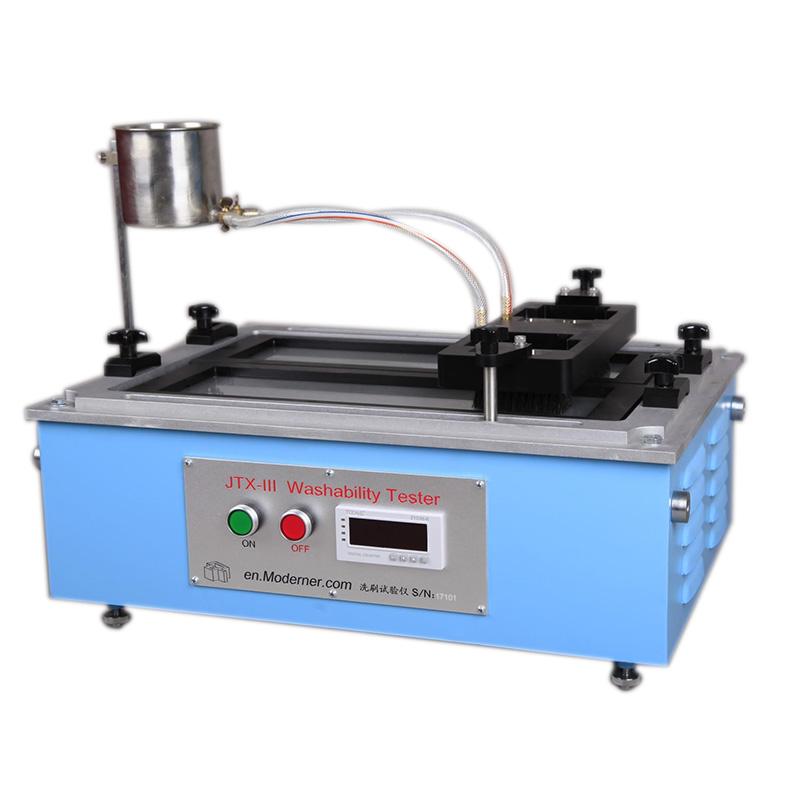
Washability and washability: Ensure lasting cleaning
Washability is the ability of the coating film to be repeatedly brushed with washing media and not damaged, and washability is the ability of the paint film to be washed to remove ash, dirt and surface stains and to maintain its original properties. The two test methods are GB /T 9266, ASTM D 2486, มาตรฐาน ASTM D3450, ISO 11998 และอื่น ๆ.
วิธีทดสอบการเคลือบสถาปัตยกรรมด้วยน้ำ
The detection method of waterborne architectural coatings is a key step to ensure product quality and performance. Through the in-depth understanding of container status, ความละเอียดของการกระจายตัว, ค่าพีเอช, ความสม่ำเสมอ, ความมั่นคงในการแช่แข็งและละลาย, เวลาในการอบแห้ง, อัตราส่วน, ความต้านทานต่อการแขวนกระแส, สีสาดลูกกลิ้ง, การปรากฏตัวของภาพยนตร์, ความต้านทานด่าง, as well as wash resistance and washability, we can better understand and control the characteristics of water-based architectural coatings. ด้วยความก้าวหน้าอย่างต่อเนื่องของวิทยาศาสตร์และเทคโนโลยี, it is believed that the coating industry will usher in more innovative detection methods to provide more reliable and efficient coating solutions for the construction industry.