
การทดสอบการยึดเกาะของสี
การทดสอบการยึดเกาะของสารเคลือบถือเป็นมาตรการควบคุมคุณภาพที่สำคัญเพื่อให้มั่นใจถึงความทนทาน, ประสิทธิภาพและความปลอดภัยของสารเคลือบโดยการประเมินการยึดเกาะระหว่างสารเคลือบกับพื้นผิว. ช่วยป้องกันการหลุดล่อนของสารเคลือบและรับประกันคุณภาพรูปลักษณ์ของผลิตภัณฑ์ในขณะที่เป็นไปตามมาตรฐานอุตสาหกรรมและข้อกำหนดการรับรอง. การทดสอบการยึดเกาะถือเป็นสิ่งสำคัญเพื่อให้มั่นใจในคุณภาพการเคลือบ, ปรับปรุงความน่าเชื่อถือของผลิตภัณฑ์, และตอบสนองความคาดหวังของลูกค้า.
การยึดเกาะของพื้นผิวสีสามารถทดสอบได้ด้วยวิธีใดวิธีหนึ่งดังต่อไปนี้:
การทดสอบการตัดขวาง (การทดสอบการตัดขวาง) :
This is a commonly used method for testing the adhesion of paint surfaces. Make horizontal and longitudinal scratches on the paint to form a cross lattice pattern. Then use tape or adhesive tape to cover the entire lattice area and quickly peel off the tape or tape. Based on the condition of the paint layer on the removed tape or film tape, the adhesion of the paint can be assessed if it is peeled or peeled off.
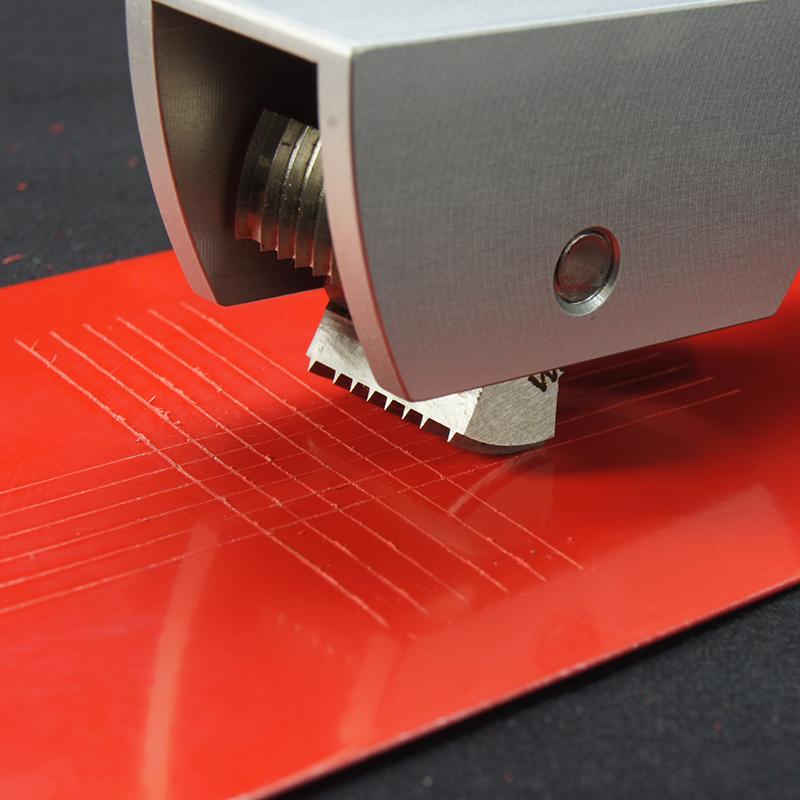
การทดสอบการยึดเกาะของสี
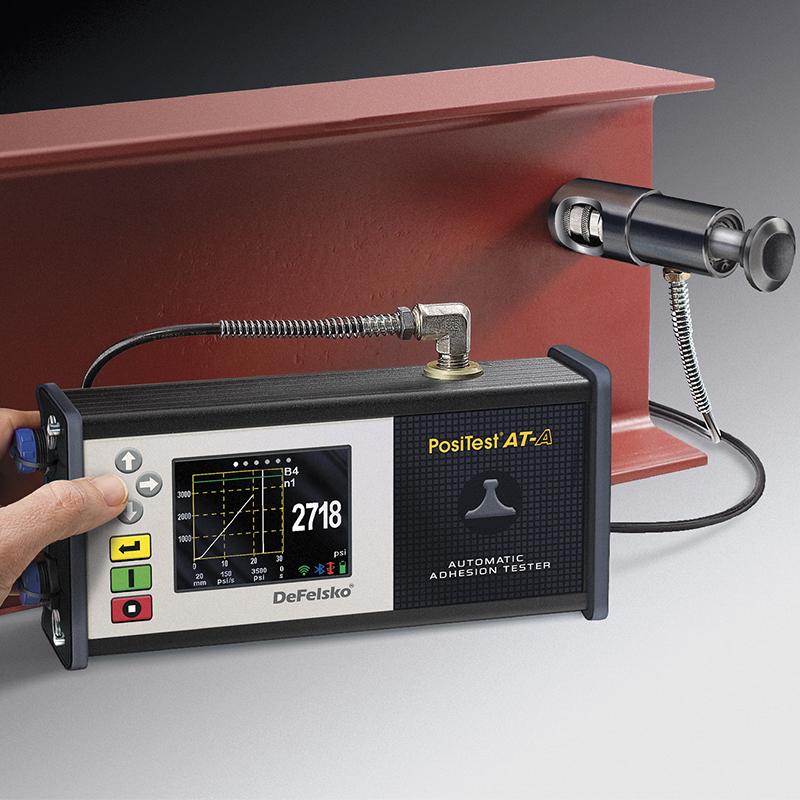
Pull-off Test:
Tensile test is a method of testing the adhesion of paint surface using special tensile instruments. The instrument attempts to peel off layers of paint by applying a tensile force. The fixture on the instrument is attached to the paint surface and force is applied to peel it off. According to the peeling force value and the conditions of the peeling area, the adhesion of the paint can be determined.
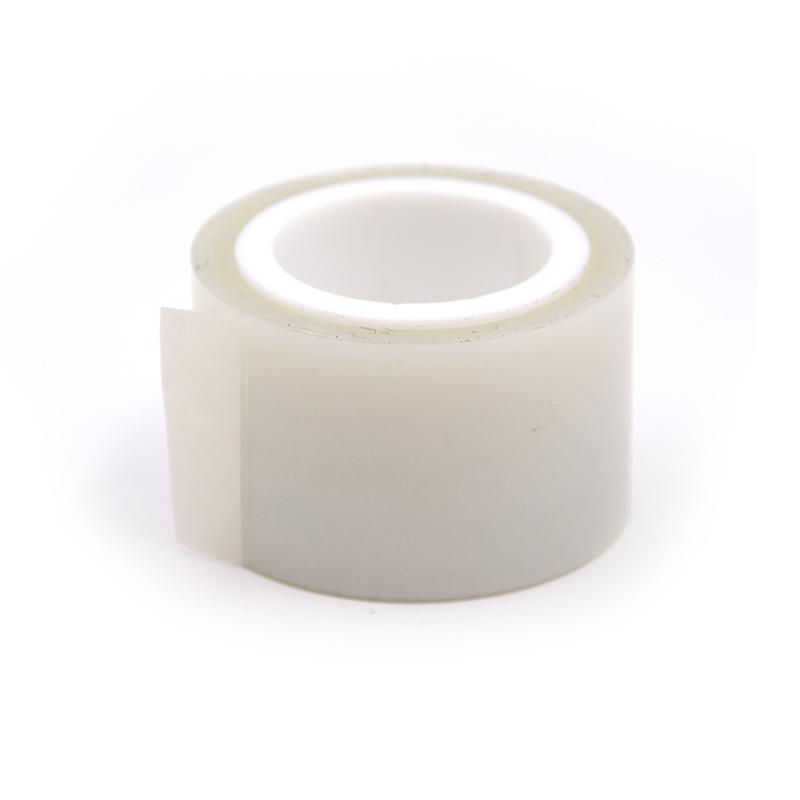
Adhesive Tape Test:
This is a simple way to test the adhesion of paint. Apply a special adhesion test tape to the paint and then quickly peel off the tape. Based on the condition of the paint layer after removing the tape, if there is peeling or falling off, the adhesion of the paint can be assessed.
การทดสอบการยึดเกาะของสี
These methods can be selected according to the need and available equipment. It is important to note that different test methods may be suitable for different types of coatings and application environments. When conducting paint adhesion tests, Nordtide recommends that you refer to applicable standards and specifications and follow the correct operating procedures. If more accurate and professional results are required, tests are carried out by experienced professionals or laboratories.