
Коефицијент вискозности и површински напон
Коефицијент вискозности и површински напон су два важна параметра особина течности, који описују понашање и карактеристике течности у различитим условима.
Коефицијент вискозности и површински напон
Viscosity coefficient: Коефицијент вискозности је физичка величина која описује отпор вискозности унутар течности и мери вискозитет или флуидност течности. Што је већи коефицијент вискозности, што је течност гушћа, а што теже тече. The coefficient of viscosity is usually expressed as the ratio of force per unit area to velocity difference per unit time (брзина смицања). The units are usually PASCAL seconds (Па·с) or millipa seconds (мПа·с). High viscosity liquids (на пример., колоидне, paste) have larger viscosity coefficients, while low viscosity liquids (на пример., water, алкохол) have smaller viscosity coefficients.
Surface tension: Surface tension is the property of the liquid surface to contract due to the intermolecular interaction occurring on the liquid surface. Surface tension causes the liquid surface to show as little surface area as possible, forming an elastic film against the outside world. Surface tension has an important effect on the stability of liquid surface and the shape of droplet. Surface tension is usually expressed as a force per unit length, in Newtons per meter (N/m) or Dyne per centimeter (dyn/cm).
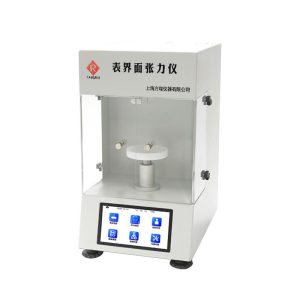
There is no direct mathematical relationship between viscosity coefficient and surface tension. They are different aspects of describing the properties of a liquid. Међутим, they are all affected by the interactions between liquid molecules. На пример, liquids with strong intermolecular attraction usually have higher viscosity and higher surface tension. Међутим, the composition of the liquid, температура, притисак, and other conditions can affect the viscosity coefficient and surface tension, so specific values and trends need to be determined based on the specific liquid system and conditions.