
Standard light source for object color quality management application analysis
introducere
The color of an object is the spectral reflection of light shining on its surface. in orice caz, the same object appears different colors under different light sources, which is caused by differences in the degree of absorption of different wavelengths of light. Although natural light is considered to be a common light source for observing the color of objects, due to time and environmental limitations, people can not always observe the color of objects under natural light. timpul bun de atenuare al balansului este lung, în aplicații practice, people usually use artificial light sources to observe the color of objects, in order to improve the accuracy of color observation, it is necessary to use a standard light source close to the spectral composition of natural light.
The importance of standard light sources
sub circumstante normale, two objects of the same color look very similar under an artificial light source, but when observed under natural light or another artificial light source, the color is very different. This is called metachromatism of objects. The phenomenon of metachromatic spectrum poses a challenge to color quality management, because observing the color of an object under different light source conditions can lead to misjudgments and affect the color consistency of the product. In order to solve the impact of heterochromatic phenomena on color management, the International Organization for Standardization (ISO) and the General Administration of Quality and Technical Supervision, Inspection and Quarantine require industries engaged in color reproduction and preparation to use standard light sources to observe environmental conditions and ensure color consistency and accuracy.
Standard light source for object color quality management application analysis
Types and characteristics of standard light sources
In order to simulate the spectral composition of natural light, people have developed a variety of artificial standard light sources, including fluorescent lamps, incandescent lamps, LED and so on. These light sources are able to provide a spectrum close to natural light and are used to observe the color of an object. The color and spectral distribution of standard light source is an important feature. The color temperature, usually in Kelvin (K), identifies the hue of the light source. The spectral distribution describes the relative intensity of light at different wavelengths, which affects the color representation of an object. Standard light sources are usually classified according to the D series, such as D65 for daylight sources. Different D-Series light sources are suitable for different application scenarios, ensuring the accuracy of the color of the object in the specific environment.
Application of color management
Color reproduction and preparation industry refers to the field of product manufacturing and design involving color, such as printing, textile, a picta, etc.. In these industries, standard light sources are used to ensure that the color of the product remains consistent under different light source conditions. According to the requirements of ISO and national standards, the color reproduction and preparation industry should create environmental conditions close to natural light when using standard light sources to observe the color of objects, in order to reduce the impact of heterochromatic phenomenon on color quality. In order to ensure the accuracy of standard light sources, regular calibration is essential. The calibration process includes the measurement of illumination and color temperature to ensure that the spectrum provided by the standard light source meets the requirements of the standard.
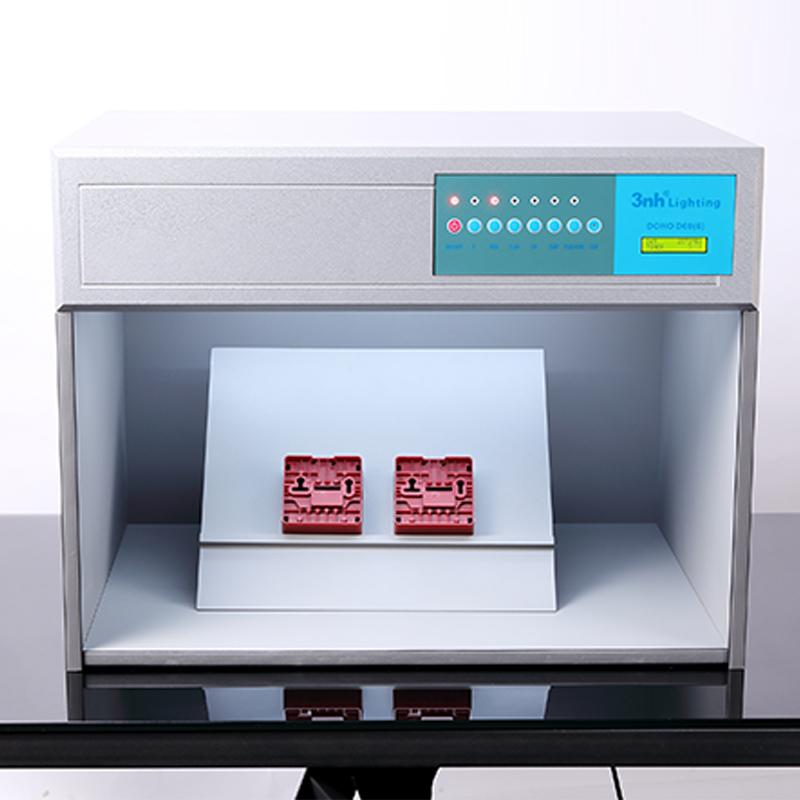
Standard light source for object color quality management application analysis
Tendință de dezvoltare viitoare
Odată cu progresul continuu al științei și tehnologiei, the research and development of new light source technology will bring more choices to standard light sources. Possible directions include more efficient LED technology and artificial light sources that are closer to natural light. În viitor, the color management system may be more intelligent, with automatic calibration and real-time monitoring capabilities to adapt to changes in the production environment. With the attention of society to environmental protection, the research and application of green environmental protection standard light sources will become the future trend to reduce energy consumption and environmental impact.
peroraţie
The observation of the color of an object depends largely on the choice of light source. The introduction of standard light source plays a key role in resolving the influence of heterochromatic phenomena on color quality management. Pe măsură ce industria de reproducere a culorilor și de formulări continuă să evolueze, tipurile și caracteristicile surselor de lumină standard vor continua să se îmbunătățească, oferind condiții de vizualizare a culorilor mai precise și mai consistente pentru diferite câmpuri. În viitor, cu inovarea continuă a științei și tehnologiei, noua tehnologie a surselor de lumină și sistemul inteligent de gestionare a culorii vor promova domeniul managementului culorii la un nivel mai înalt și vor obține un management mai precis și mai verzi al culorii. Întreprinderile și instituțiile de cercetare ar trebui să acorde o atenție deosebită acestor tendințe, și îmbunătățirea continuă a nivelului științific și tehnologic al gestionării culorilor pentru a oferi o garanție mai fiabilă pentru calitatea culorii produselor.