
Covering power/opacity measurement
Masking power, also known as masking power or opacity, refers to the ability of a coating or paint to completely hide or cover the underlying surface, preventing the color or texture of the substrate from showing through. Jest to miara skuteczności powłoki lub farby “okładka” powierzchni, na którą jest nakładany, ukrywając pod spodem wszelkie skazy i kolory.
Na siłę krycia powłoki wpływa kilka czynników, łącznie z rodzajem i składem powłoki, the color and texture of the substrate, grubość powłoki, and the method of application. A coating with high coverage will provide a solid, uniform and opaque appearance with minimal or no visible traces of the substrate or underlying color.
Hiding power is an important feature in a variety of applications where the goal is to achieve a uniform and consistent appearance, such as in wall coatings, automotive coatings and other industrial coatings. Coatings with good hiding power help hide surface defects, provide even tones, and create a visually pleasing and professional finish.
Covering power/opacity measurement
The covering capacity of the coating is usually evaluated experimentally using standard test methods, which may involve measuring the reflectivity or transmittance of light through the coating and substrate, or visually evaluating the opacity and appearance of the coating surface. Different coatings and paints may have different coverage capability characteristics depending on their formulation, and are often an important consideration when choosing a coating for a particular application.
There are several methods you can use to test the hiding power or opacity of a coating or paint. Here are some common methods:
Visual evaluation: A simple method is to visually evaluate the appearance of the coated surface. This can be done by applying the coating to a substrate of known color and texture, and comparing the coated area to the uncoated area. If the coating completely hides the substrate color and texture and provides a uniform, opaque appearance, it is considered to have good coverage.
Contrast measurement: This method involves measuring the reflectivity or transmission of light through a coated surface and comparing it to an uncoated surface or a standard reference. A higher contrast, to znaczy, the ratio of the reflectivity or transmittance of the coated surface to the uncoated surface, indicates a higher coverage capability. This method can be performed using a spectrophotometer or colorimeter, following standard test methods such as ASTM D2805 for contrast measurement.
Covering power/opacity measurement
Covering power/opacity measurement
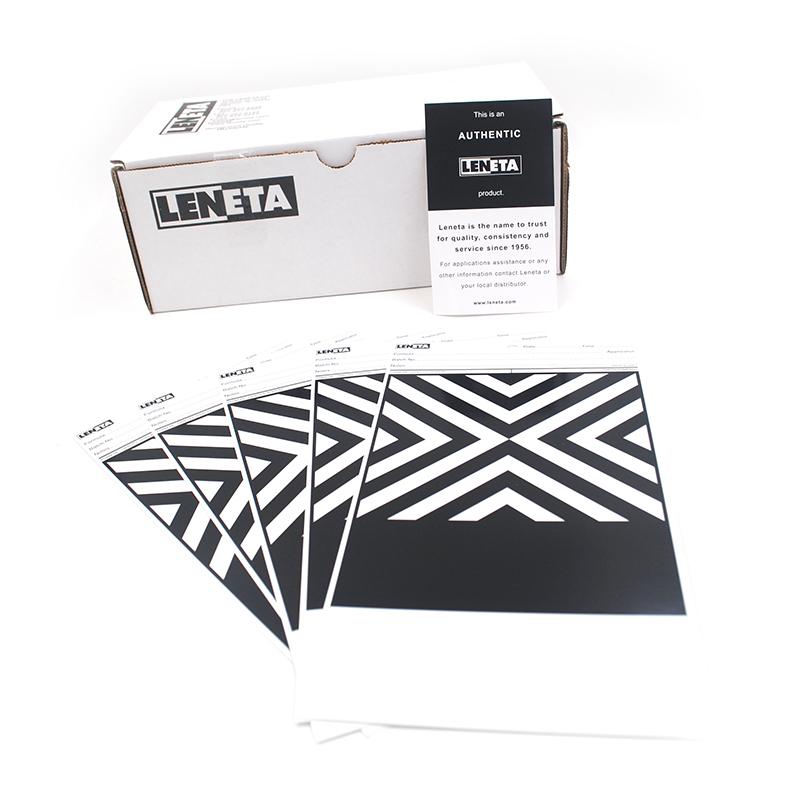
Obejmuje pomiar mocy: This method measures the ability of the coating to cover a black and white pattern printed on the substrate or a series of lines of known width and line spacing, comparing the coating substrate to a set of reference standards for known covering power to determine the minimum coating thickness required to completely cover the pattern or line. ASTM D344 or ISO 6504 are commonly used standards for covering power measurement.
Scattering or darknessmeter measurement: This method involves the use of a specialized instrument, such as a scattering or darknessmeter, to measure the scattering or diffusion of light on a coated surface. Stopień rozproszenia lub dyfuzji jest powiązany ze zdolnością krycia powłoki, a wyższe rozproszenie wskazuje na wyższą zdolność krycia. Ta metoda jest bardziej złożona i jest często stosowana w badaniach lub ustawieniach kontroli jakości.
Wybrana konkretna metoda badania może zależeć od rodzaju powłoki, zamierzone zastosowanie, oraz standardy lub wymagania branżowe lub aplikacyjne. Zaleca się zapoznanie z odpowiednimi normami, wytyczne, lub praktyki branżowe dotyczące odpowiednich procedur testowania dla konkretnej ocenianej powłoki lub farby.