
Lithium battery coating: cathode coating, anode coating, electrolyte coating
Release time: 2023-04-11
Lithium battery coating refers to a thin layer of material that is coated on the lithium-ion battery electrode during the manufacturing process. Coating plays an important role in the performance and safety of lithium-ion batteries, kerana ia secara langsung mempengaruhi kapasiti, kestabilan kitaran dan ciri keselamatan bateri. Coatings are commonly applied to current collectors, which are typically made of metal foils that act as a medium for lithium ion transport during battery operation.
Lithium battery coatings are usually composed of several layers, each with a specific function and performance. The main layers in a typical lithium battery film include:
Cathode coating: This layer is applied to cathode collector typically made of aluminum foil. Cathode coatings typically consist of active cathode materials such as lithium cobalt oxide (LiCoO2), lithium manganese oxide (LiMn2O4), or lithium iron phosphate (LiFePO4), along with adhesives, conductive additives, and solvents. The cathode coating is responsible for storing and releasing lithium ions during the battery charge and discharge cycle, and plays a key role in determining battery capacity, cycle stability and voltage characteristics.
Lithium battery coating: cathode coating, anode coating, electrolyte coating
Anode coating: This layer is applied to the anode collector, which is usually made of copper foil. The anode coating usually consists of an active anode material, such as graphite, lithium titanate (Li4Ti5O12), or silicon, along with a binder, conductive additive, and solvent. The anode coating is responsible for storing and releasing lithium ions during the battery charge and discharge cycle, and plays a key role in determining the capacity, cycle stability and voltage characteristics of the battery.
Electrolyte coating: This layer is applied to both cathode and anode coatings and acts as a diaphragm between them. The electrolyte coating usually consists of a polymer electrolyte or a liquid electrolyte, depending on the type of lithium-ion battery. The electrolyte coating is responsible for conducting lithium ions between the cathode and anode during battery operation, while preventing electrical contact between them to avoid short circuits and enhance battery safety.
Additional layer: Dalam beberapa kes, according to the specific requirements of the battery, additional layers can be added to the lithium battery coating. Sebagai contoh, a protective layer can be added to the cathode or anode coating to improve the battery’s resistance to moisture, oksigen, or other environmental factors. Conductive coatings can also be applied to the collector to enhance its conductivity and overall battery performance.
Lithium battery coating: cathode coating, anode coating, electrolyte coating
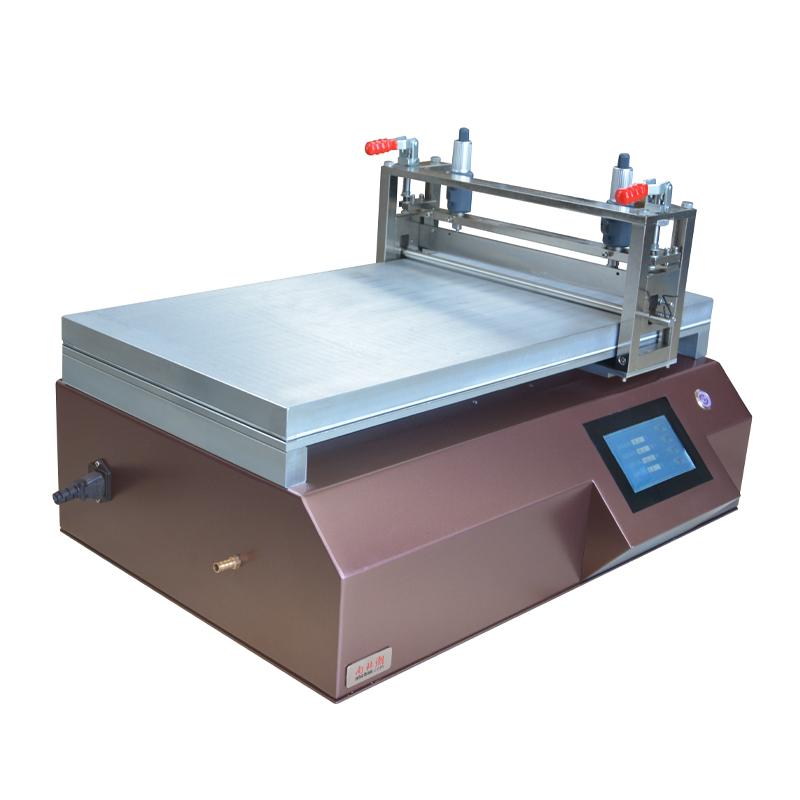
Lithium battery coating: cathode coating, anode coating, electrolyte coating
The manufacturing process for lithium battery coatings typically involves several steps, including the preparation of the coating material, the application of the coating material to the current collector using techniques such as scraper, slot coating or spraying, and the subsequent drying or curing of the coating to form a stable coating. The thickness and uniformity of the coating film are key factors affecting battery performance, and careful control of the coating process is required to ensure consistent and high-quality battery production.
Pendek kata, lithium battery coating is a key component of lithium-ion batteries, kerana ia secara langsung mempengaruhi kapasiti, kestabilan kitaran dan ciri keselamatan bateri. gubahan, thickness and uniformity of the film are carefully controlled during the battery manufacturing process to ensure better battery performance and safety.