
Zkušební metoda pro vodou ředitelné architektonické nátěry
Vodou ředitelné architektonické nátěry, zejména interiérové a exteriérové architektonické latexové barvy, hrají důležitou roli v moderní architektonické výzdobě. Aby bylo zajištěno, že kvalita a výkon těchto nátěrů splňují očekávané standardy, musí být použita řada vědeckých testovacích metod. Tento článek se ponoří do hlavních testovacích metod vodou ředitelných architektonických nátěrů, včetně stavu kontejneru, jemnost disperze, pH, konzistence, stabilita při zmrazování a rozmrazování, doba sušení, poměr, odolnost proti proudění, váleček stříkající barvou, filmový vzhled, odolnost vůči alkáliím, and wash and wash resistance.
State in the container: Ensure the initial state of the paint
The state in the container is an important index to evaluate the initial quality of coatings. Povlak, thickening, gelling, delamination, sinking, caking and other phenomena may affect the use and performance of coatings. By visual methods, such as the 3011 status in the container in the United States Federal Test Method Standard NO.141, you can quickly determine whether the paint is in good condition.
Zkušební metoda pro vodou ředitelné architektonické nátěry
Dispersion fineness: Measure the degree of dispersion of paint pigments
Dispersion fineness is an important parameter for the dispersion degree of pigment and bulk pigment in coatings. The size of the fineness directly affects the hiding power and appearance finish of the coating. The scraper fineness meter method, such as the national standard GB/ T1724, GB/T6753.1 and the American standard ASTM D1210, adopts the scraper fineness meter method, which provides us with a reliable means to determine the dispersion fineness.
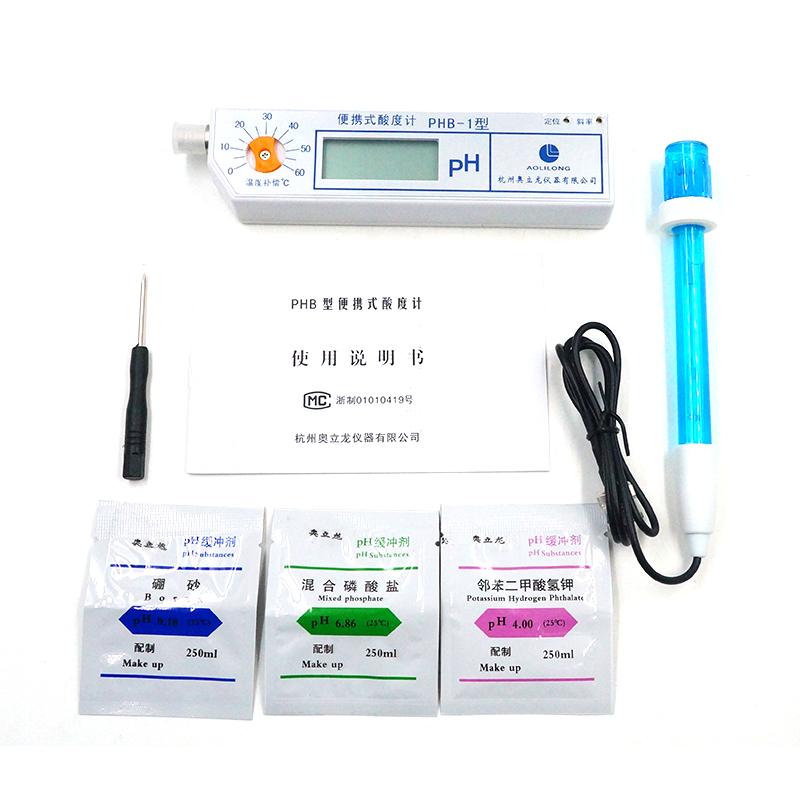
pH: An indicator of stability
pH is a measure of the concentration of hydrogen ions in a paint solution and is critical to the stability of the paint. The pH value of latex paint is generally between 5 a 10, and its change can indicate acceptable changes in the stability and performance of the paint. GB /T 1717, ASTM E70 and other standards use PH meter method to ensure that the product remains stable during storage.
Konzistence: The key to coating and fluidity
Consistency refers to the internal resistance of the coating when it flows, and is a key parameter to measure the coating property and fluidity. GB /T 9269 and ASTM D562 use the Stormer viscometer to determine the consistency of the coating, ensuring product uniformity and workability.
Freeze-thaw stability: resistance to cyclic testing
The ability of latex paint to maintain its original properties after undergoing freezing and melting cycles is called freeze-thaw stability. This performance index is assessed through a series of cyclic tests, such as GB /T 9268 and ASTM D2245, to ensure that the coating maintains its excellent performance under extreme conditions.
Zkušební metoda pro vodou ředitelné architektonické nátěry
Doba schnutí: Mastering construction and maintenance time
Drying time refers to the time required for the coating to form a solid film under specified conditions. The index is affected by the composition of the paint and environmental conditions, and is directly related to the time arrangement of construction and the cycle of maintenance. Methods such as GB /T 1728, GB /T 6753.2, GB /T 9273, GB /T 9280, and ASTM D1640 provide us with a variety of ways to determine the drying time.
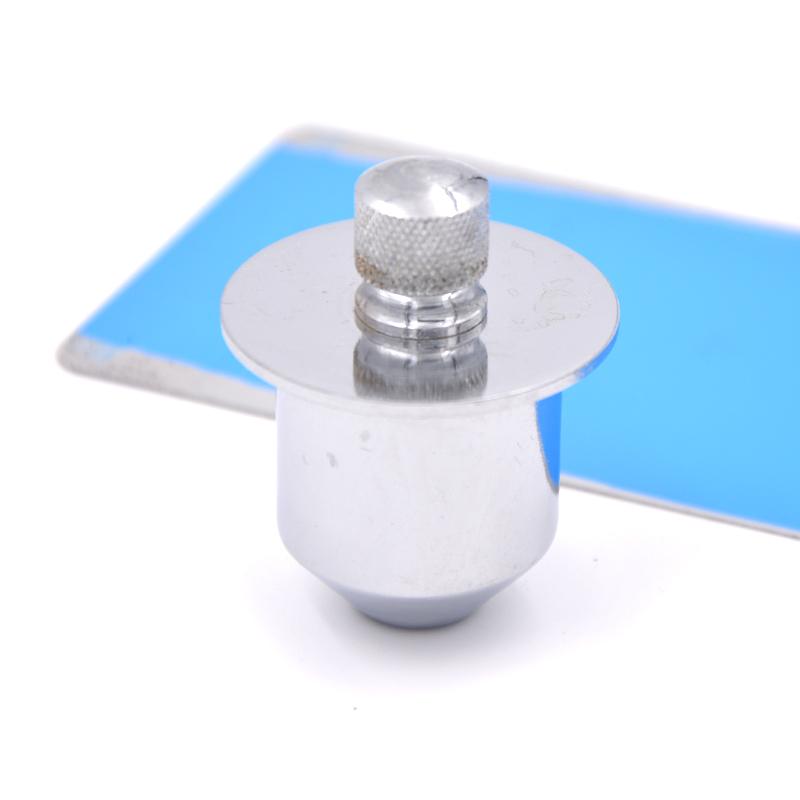
Ratio: Determine the covering power of the coating
The ratio is the ratio of the reflectance of the same paint film on a black and white substrate. This ratio is used to determine whether the coating completely covers the substrate, eliminating human error, and is suitable for white and light paints. Standards such as GB/T 9270, GB / T 5211.17 and ASTM D2805 use the reflectance method to determine the ratio.
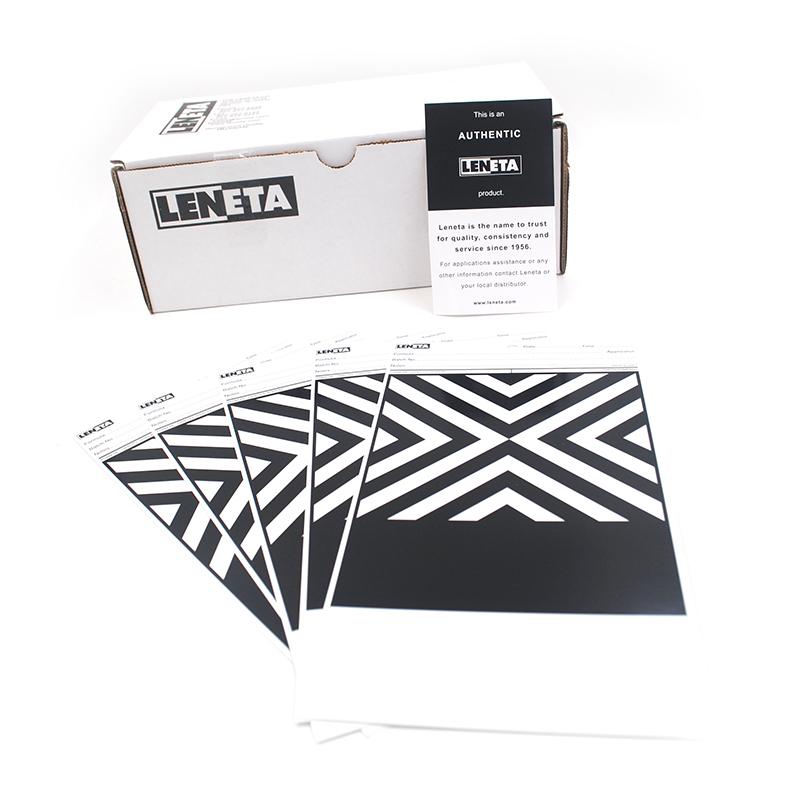
Anti-flow: prevent uneven flow of the film
During the construction of the paint in the vertical plane, due to poor flow resistance or improper application, the paint film may flow locally and form an uneven coating, which is called flow hanging. GB /T 9264 and ASTM D4400 evaluate coatings with multi-tooth scrapers of different specifications to ensure their resistance to current hanging.
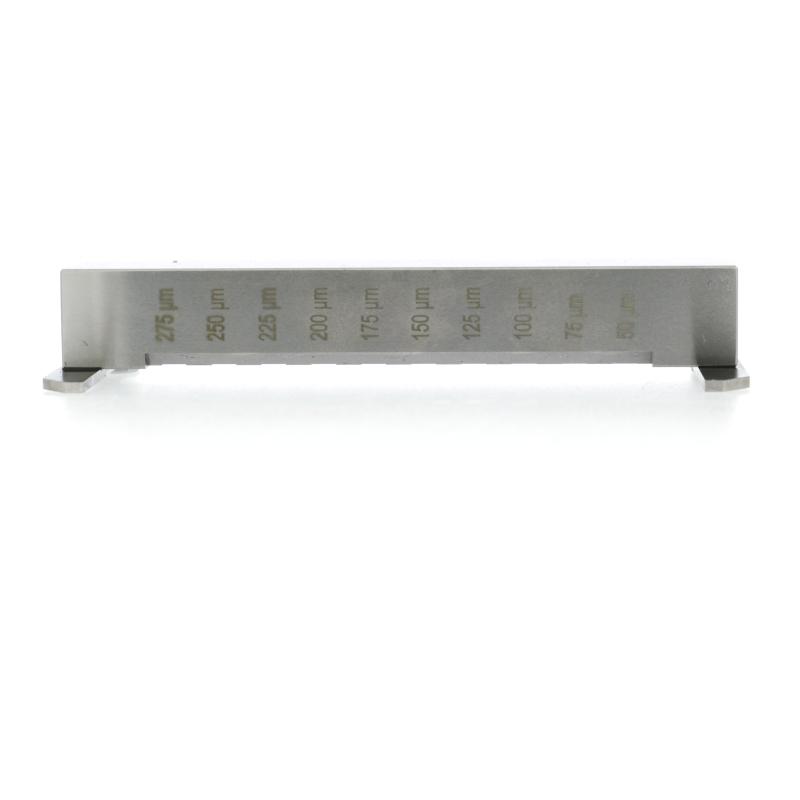
Roller splash paint: Measure paint spatter during construction
Roller coating is a common construction method for architectural coatings, and roller splash coating is a method to evaluate the sputtering resistance of coatings. ASTM D 4707 uses drawings of certain specifications to collect the size and density of the paint spots splashed on it, and compares them with standard drawings to assess the sputtering resistance of the paint.
Zkušební metoda pro vodou ředitelné architektonické nátěry
Paint film appearance: the key to decorative indicators
The appearance of paint film is the key index to measure the decorative performance of paint. After the paint film is dried, visual inspection is carried out, including the flatness, evenness, whether there are pinholes, shrinkage holes, flow hanging, brush marks, atd. Methods such as GB /T 11186.1~3 and ASTM D 2244 provide standards for the measurement of gloss and color.
Odolnost vůči alkáliím: to prevent the substrate alkaline effect on the coating
Alkali resistance is the resistance of the paint film to alkali attack. The alkalinity of the substrate such as cement may have an adverse effect on the coating. Standards such as GB /T 9265 a ISO 2812 use saturation and calcium hydroxide impregnation methods to determine the alkaline resistance of coatings.
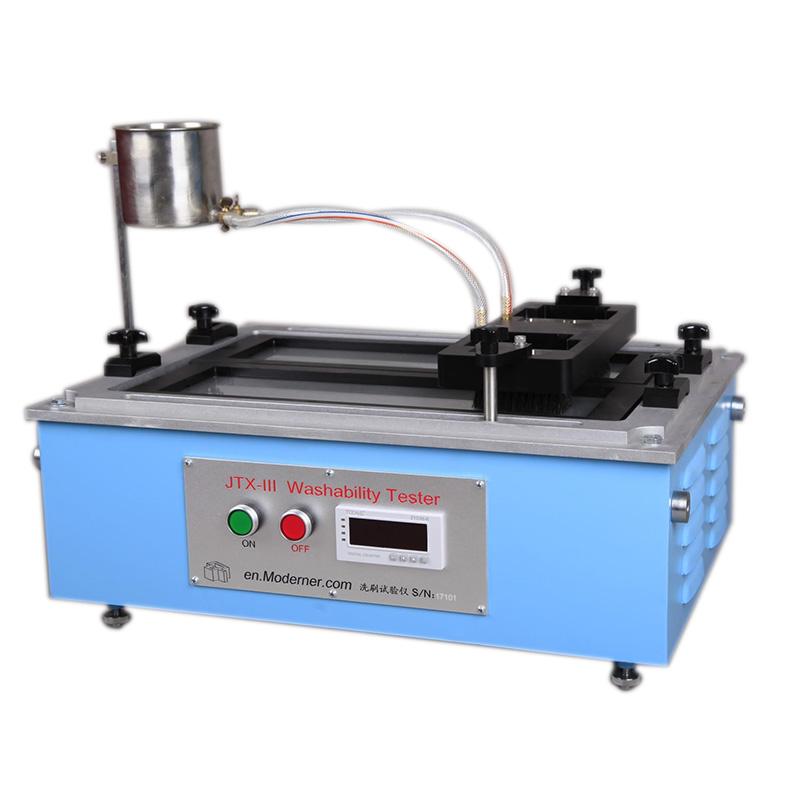
Washability and washability: Ensure lasting cleaning
Washability is the ability of the coating film to be repeatedly brushed with washing media and not damaged, and washability is the ability of the paint film to be washed to remove ash, dirt and surface stains and to maintain its original properties. The two test methods are GB /T 9266, ASTM D 2486, ASTM D3450, ISO 11998 a tak dále.
Zkušební metoda pro vodou ředitelné architektonické nátěry
The detection method of waterborne architectural coatings is a key step to ensure product quality and performance. Through the in-depth understanding of container status, jemnost disperze, hodnota pH, konzistence, stabilita při zmrazování a rozmrazování, doba sušení, poměr, odolnost proti proudění, váleček stříkající barvou, filmový vzhled, odolnost vůči alkáliím, as well as wash resistance and washability, we can better understand and control the characteristics of water-based architectural coatings. S neustálým pokrokem vědy a techniky, it is believed that the coating industry will usher in more innovative detection methods to provide more reliable and efficient coating solutions for the construction industry.