
Standardní světelný zdroj pro analýzu aplikací správy kvality barev objektů
úvod
The color of an object is the spectral reflection of light shining on its surface. nicméně, stejný objekt se pod různými světelnými zdroji jeví různými barvami, což je způsobeno rozdíly v míře absorpce různých vlnových délek světla. I když přirozené světlo je považováno za běžný zdroj světla pro pozorování barvy předmětů, kvůli časovým a ekologickým omezením, lidé nemohou vždy pozorovat barvu předmětů pod přirozeným světlem. Proto, v praktických aplikacích, people usually use artificial light sources to observe the color of objects, in order to improve the accuracy of color observation, it is necessary to use a standard light source close to the spectral composition of natural light.
The importance of standard light sources
za normálních podmínek, two objects of the same color look very similar under an artificial light source, but when observed under natural light or another artificial light source, the color is very different. This is called metachromatism of objects. The phenomenon of metachromatic spectrum poses a challenge to color quality management, because observing the color of an object under different light source conditions can lead to misjudgments and affect the color consistency of the product. In order to solve the impact of heterochromatic phenomena on color management, the International Organization for Standardization (ISO) and the General Administration of Quality and Technical Supervision, Inspection and Quarantine require industries engaged in color reproduction and preparation to use standard light sources to observe environmental conditions and ensure color consistency and accuracy.
Standardní světelný zdroj pro analýzu aplikací správy kvality barev objektů
Types and characteristics of standard light sources
In order to simulate the spectral composition of natural light, people have developed a variety of artificial standard light sources, including fluorescent lamps, incandescent lamps, LED and so on. These light sources are able to provide a spectrum close to natural light and are used to observe the color of an object. The color and spectral distribution of standard light source is an important feature. The color temperature, usually in Kelvin (K.), identifies the hue of the light source. The spectral distribution describes the relative intensity of light at different wavelengths, which affects the color representation of an object. Standard light sources are usually classified according to the D series, such as D65 for daylight sources. Different D-Series light sources are suitable for different application scenarios, ensuring the accuracy of the color of the object in the specific environment.
Application of color management
Color reproduction and preparation industry refers to the field of product manufacturing and design involving color, such as printing, textil, malovat, atd. In these industries, standard light sources are used to ensure that the color of the product remains consistent under different light source conditions. According to the requirements of ISO and national standards, the color reproduction and preparation industry should create environmental conditions close to natural light when using standard light sources to observe the color of objects, in order to reduce the impact of heterochromatic phenomenon on color quality. In order to ensure the accuracy of standard light sources, regular calibration is essential. The calibration process includes the measurement of illumination and color temperature to ensure that the spectrum provided by the standard light source meets the requirements of the standard.
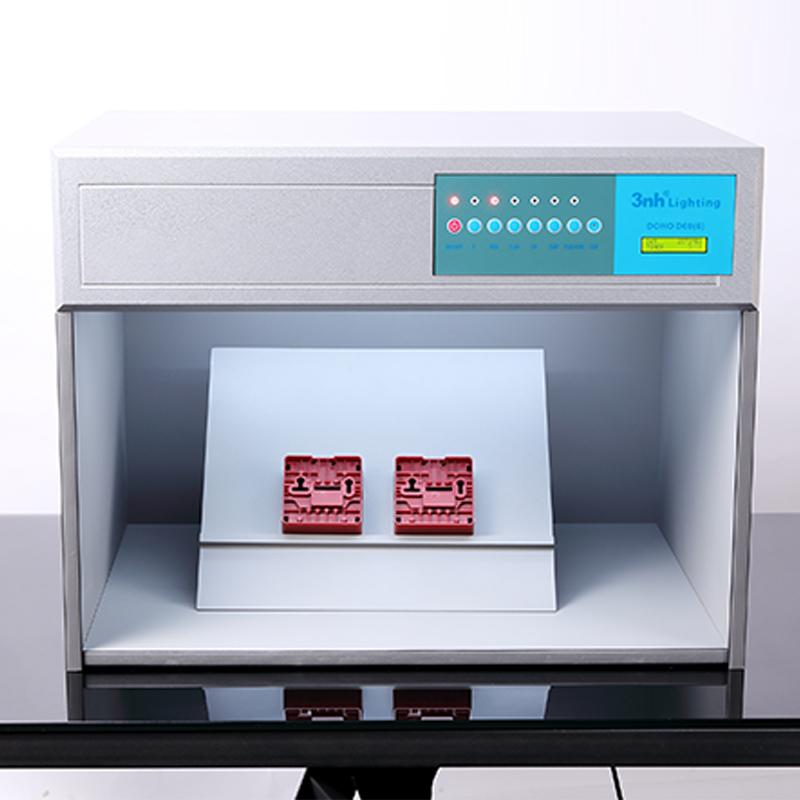
Standardní světelný zdroj pro analýzu aplikací správy kvality barev objektů
Future development trend
S neustálým pokrokem vědy a techniky, the research and development of new light source technology will bring more choices to standard light sources. Possible directions include more efficient LED technology and artificial light sources that are closer to natural light. V budoucnu, the color management system may be more intelligent, with automatic calibration and real-time monitoring capabilities to adapt to changes in the production environment. With the attention of society to environmental protection, the research and application of green environmental protection standard light sources will become the future trend to reduce energy consumption and environmental impact.
závěr řeči
The observation of the color of an object depends largely on the choice of light source. The introduction of standard light source plays a key role in resolving the influence of heterochromatic phenomena on color quality management. As the color reproduction and formulation industry continues to evolve, the types and characteristics of standard light sources will continue to improve, providing more accurate and consistent color viewing conditions for various fields. V budoucnu, with the continuous innovation of science and technology, new light source technology and intelligent color management system will promote the field of color management to a higher level and achieve more accurate and green color management. Enterprises and research institutions should pay close attention to these trends, and continuously improve the scientific and technological level of color management to provide a more reliable guarantee for the color quality of products.