
Potah lithiové baterie: katodový povlak, anodový povlak, povlak elektrolytu
Release time: 2023-04-11
Lithium battery coating refers to a thin layer of material that is coated on the lithium-ion battery electrode during the manufacturing process. Coating plays an important role in the performance and safety of lithium-ion batteries, protože to přímo ovlivňuje kapacitu, stabilita cyklu a bezpečnostní charakteristiky baterie. Coatings are commonly applied to current collectors, which are typically made of metal foils that act as a medium for lithium ion transport during battery operation.
Lithium battery coatings are usually composed of several layers, each with a specific function and performance. The main layers in a typical lithium battery film include:
Cathode coating: This layer is applied to cathode collector typically made of aluminum foil. Cathode coatings typically consist of active cathode materials such as lithium cobalt oxide (LiCoO2), lithium manganese oxide (LiMn2O4), or lithium iron phosphate (LiFePO4), along with adhesives, conductive additives, and solvents. The cathode coating is responsible for storing and releasing lithium ions during the battery charge and discharge cycle, and plays a key role in determining battery capacity, cycle stability and voltage characteristics.
Potah lithiové baterie: katodový povlak, anodový povlak, povlak elektrolytu
Anode coating: This layer is applied to the anode collector, which is usually made of copper foil. The anode coating usually consists of an active anode material, such as graphite, lithium titanate (Li4Ti5O12), or silicon, along with a binder, conductive additive, and solvent. The anode coating is responsible for storing and releasing lithium ions during the battery charge and discharge cycle, and plays a key role in determining the capacity, cycle stability and voltage characteristics of the battery.
Electrolyte coating: This layer is applied to both cathode and anode coatings and acts as a diaphragm between them. The electrolyte coating usually consists of a polymer electrolyte or a liquid electrolyte, depending on the type of lithium-ion battery. The electrolyte coating is responsible for conducting lithium ions between the cathode and anode during battery operation, while preventing electrical contact between them to avoid short circuits and enhance battery safety.
Additional layer: V některých případech, according to the specific requirements of the battery, additional layers can be added to the lithium battery coating. Například, a protective layer can be added to the cathode or anode coating to improve the battery’s resistance to moisture, kyslík, or other environmental factors. Conductive coatings can also be applied to the collector to enhance its conductivity and overall battery performance.
Potah lithiové baterie: katodový povlak, anodový povlak, povlak elektrolytu
Potah lithiové baterie: katodový povlak, anodový povlak, povlak elektrolytu
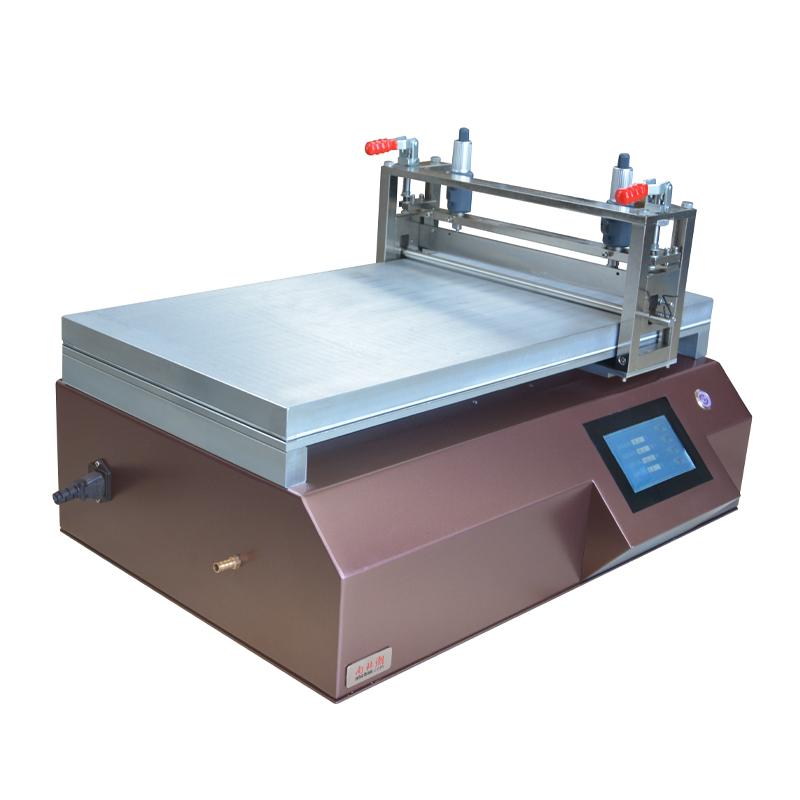
The manufacturing process for lithium battery coatings typically involves several steps, including the preparation of the coating material, the application of the coating material to the current collector using techniques such as scraper, slot coating or spraying, and the subsequent drying or curing of the coating to form a stable coating. Tloušťka a rovnoměrnost potahového filmu jsou klíčovými faktory ovlivňujícími výkon baterie, a pečlivá kontrola procesu lakování je nutná pro zajištění konzistentní a vysoce kvalitní výroby baterií.
Ve zkratce, povlak lithiové baterie je klíčovou součástí lithium-iontových baterií, protože to přímo ovlivňuje kapacitu, stabilita cyklu a bezpečnostní charakteristiky baterie. Kompozice, tloušťka a jednotnost fólie jsou pečlivě kontrolovány během výrobního procesu baterie, aby byl zajištěn lepší výkon a bezpečnost baterie.